On October 20 I made the first commit on a small Roblox prototype. It existed to answer one question: does a short history question make grabbing and stealing a collectible more exciting?
Six days later it was public. Today it's called GOAT Empire, it gets thousands of new players a week, and most of them are under 13. It has also told me, with data, that my favorite idea might not matter.
I build products for a living, mostly in healthcare, platforms and AI. My kids play Roblox, and I wanted to find out what it takes to make something they would pick over everything else on there.
The idea: steal Isaac Newton
Kids on Roblox love "steal" games. You collect characters, the characters earn you money, and other players sneak into your base to run off with them.
My son plays one of the biggest, Steal a Brainrot. I wondered what would happen if the characters were history's greats, and you had to answer a question about one before you could take it.
The plan was strict. Two players, three characters, 15 working days. Then five playtests with children and a written decision. The first concept board had exactly three legends on it.
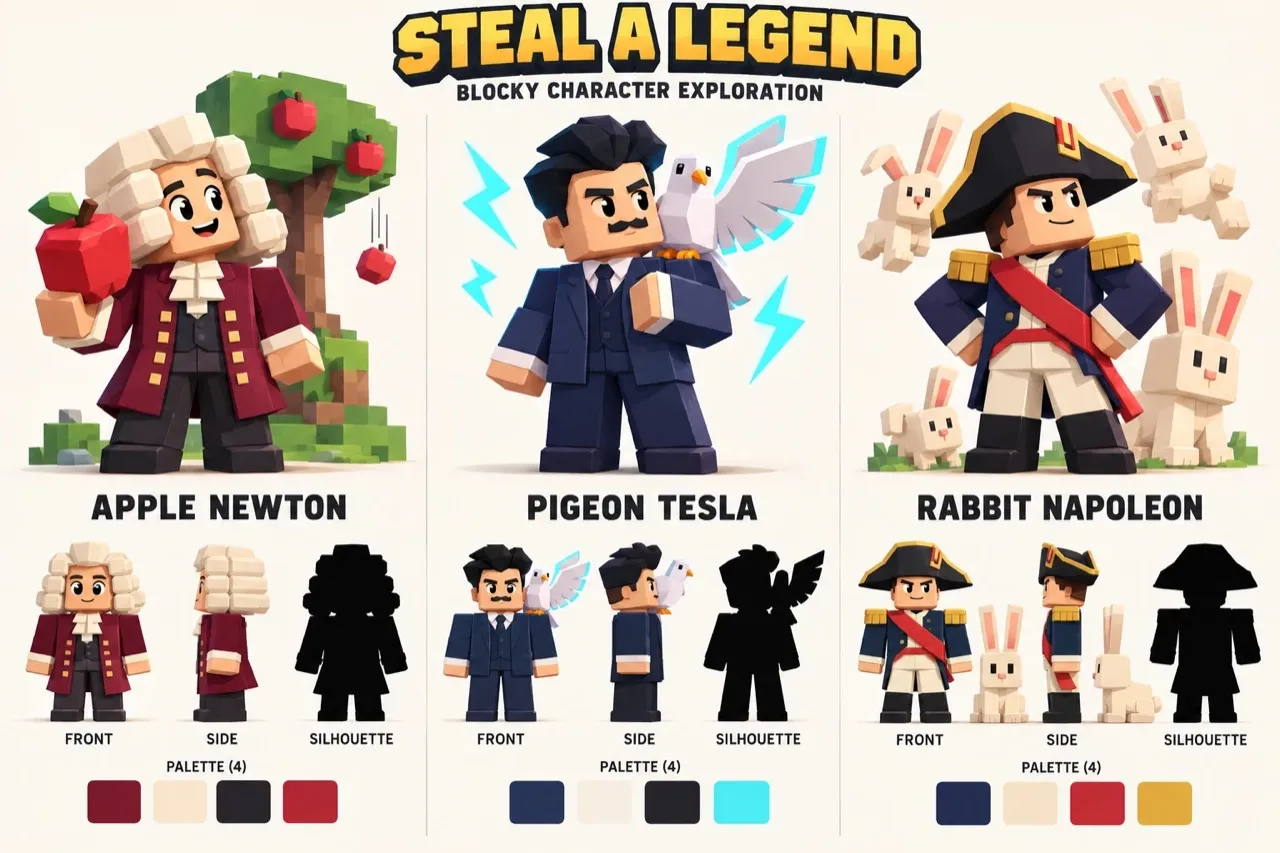 The first concept board, back when the game was called Steal a Legend. Three characters. That was the whole plan.
GOAT means Greatest Of All Time. The GOATs ride past on a conveyor belt. You grab one, carry it home and put it on a pedestal, and it pays you while you play.
Anyone can walk in and take it. You can knock them back.
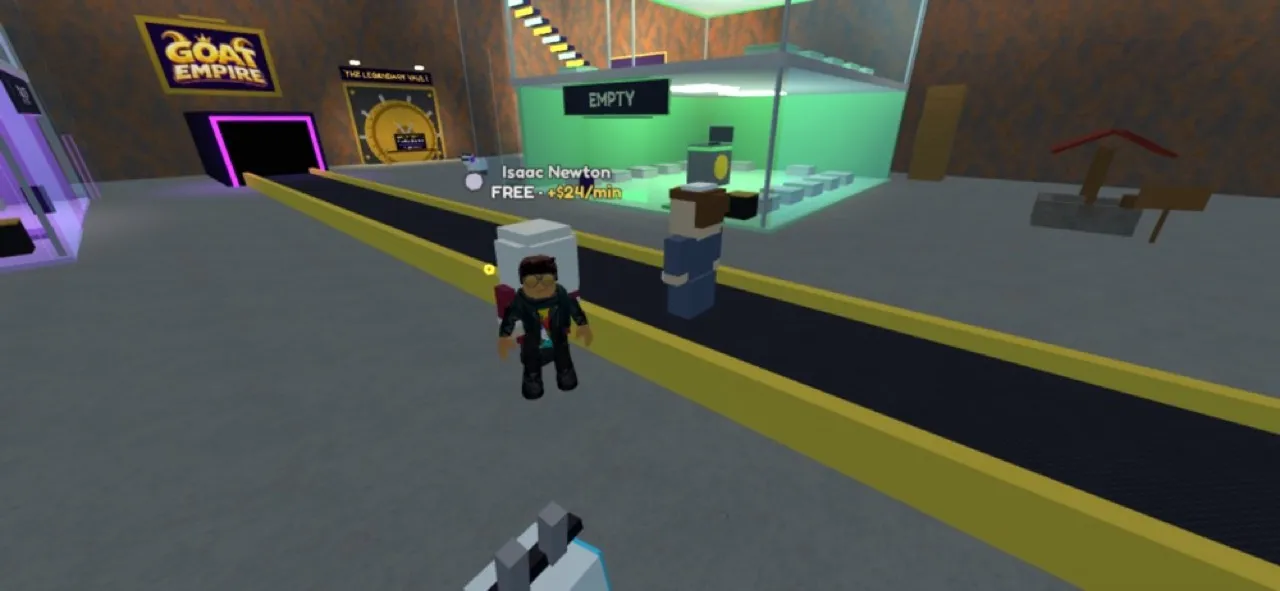 Isaac Newton on the belt. Free, and worth $24 a minute.
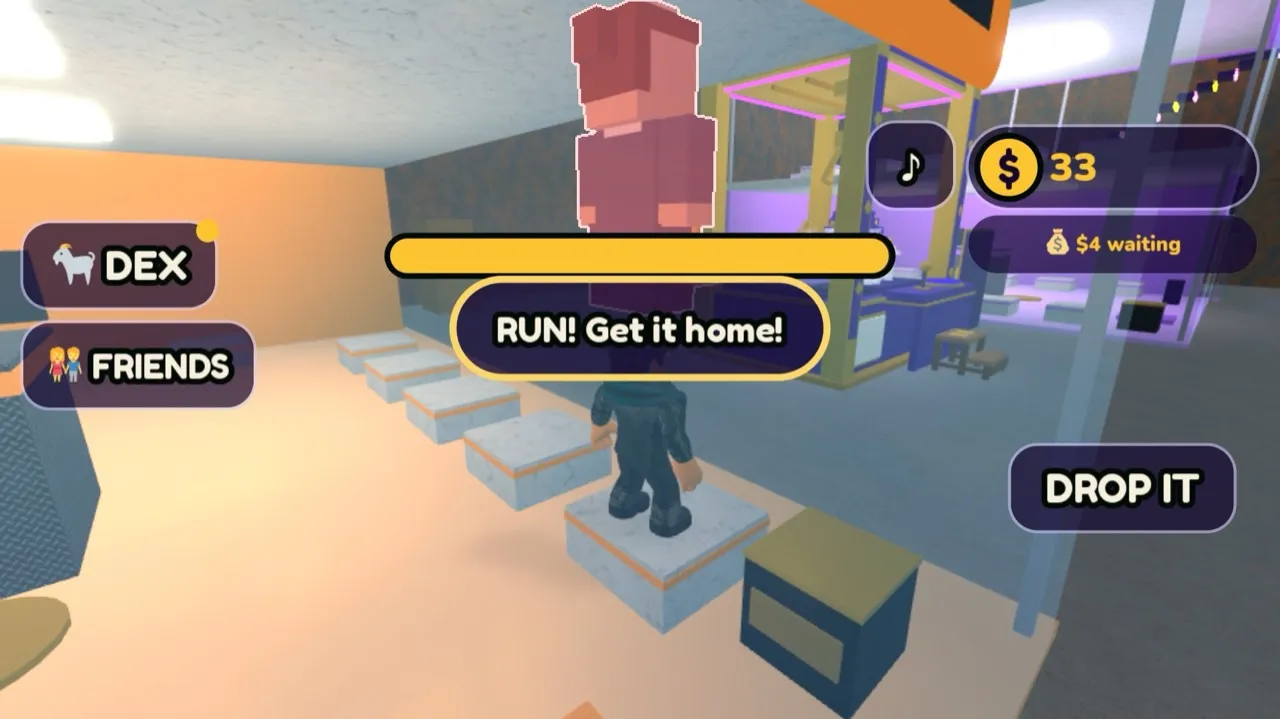 The best eight seconds in the game.
How it got built
I built it with Claude Code, an AI coding agent, working beside me in the repository. The code is Luau, synced into Roblox Studio with Rojo. The treasure models come from Blender.
One decision paid for itself many times over. All the game rules live in a single module with no Roblox objects in it. That means the rules can be tested from the command line in seconds, without opening Studio.
That setup is why the pace was possible. The repository has 1,267 commits in 24 days, and I've published the live game 120 times.
I wrote almost none of the code by hand. My job was the calls: what to build next, what to cut, and playing every build on a phone before it went live.
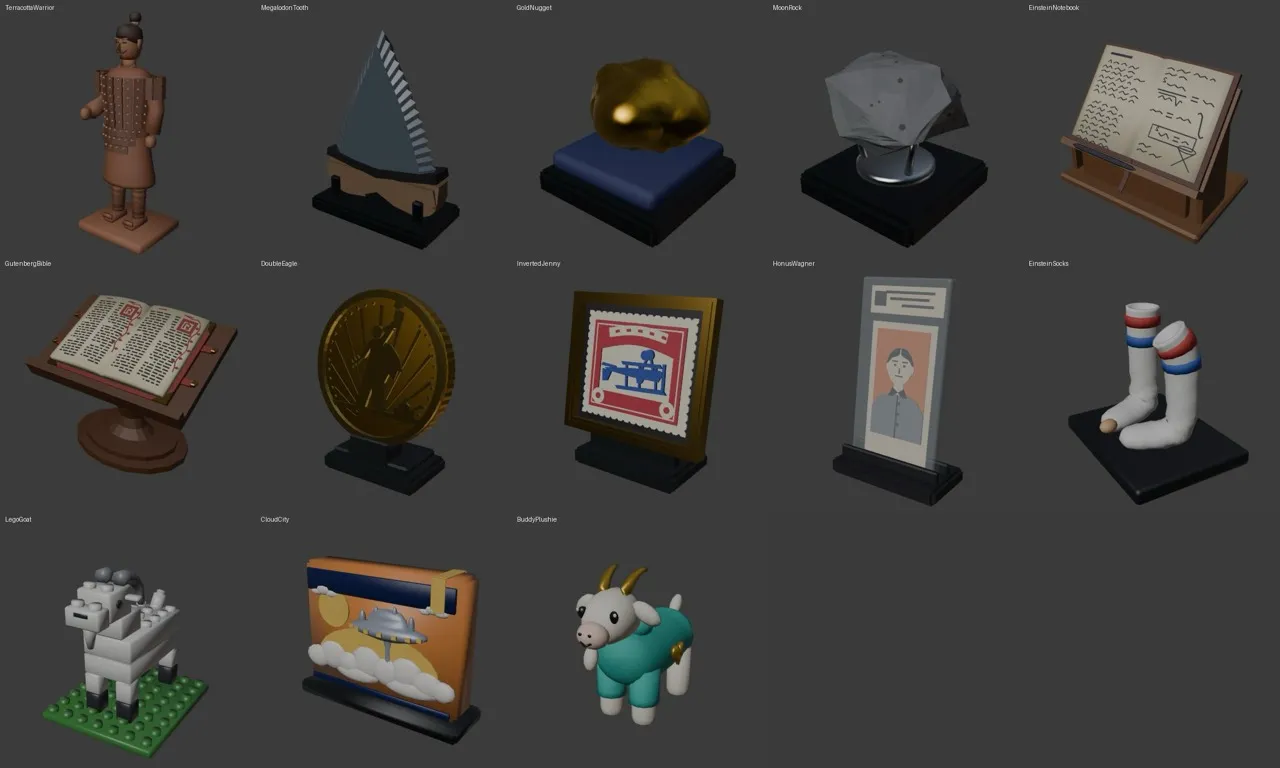 Vault treasures in Blender. The socks are Einstein's. They cost $1 and sit right inside the vault door.
The plan did not survive my children
My daughter played the first test session. My son joined the second, and he has been my expert on the genre ever since.
He asked for things I had put on the "not building" list. He was usually right about what players expect.
So three characters became more than two dozen, from Marie Curie to Mansa Musa. Two bases became four. Then came a Legendary Vault with 21 treasures, topped by a $1 trillion Mona Lisa. A Hall of Fame. A snack bar with a robot bartender. A hidden arcade, a rooftop, a pet goat, and a rival bot named Sticky Vic for kids who are playing alone.
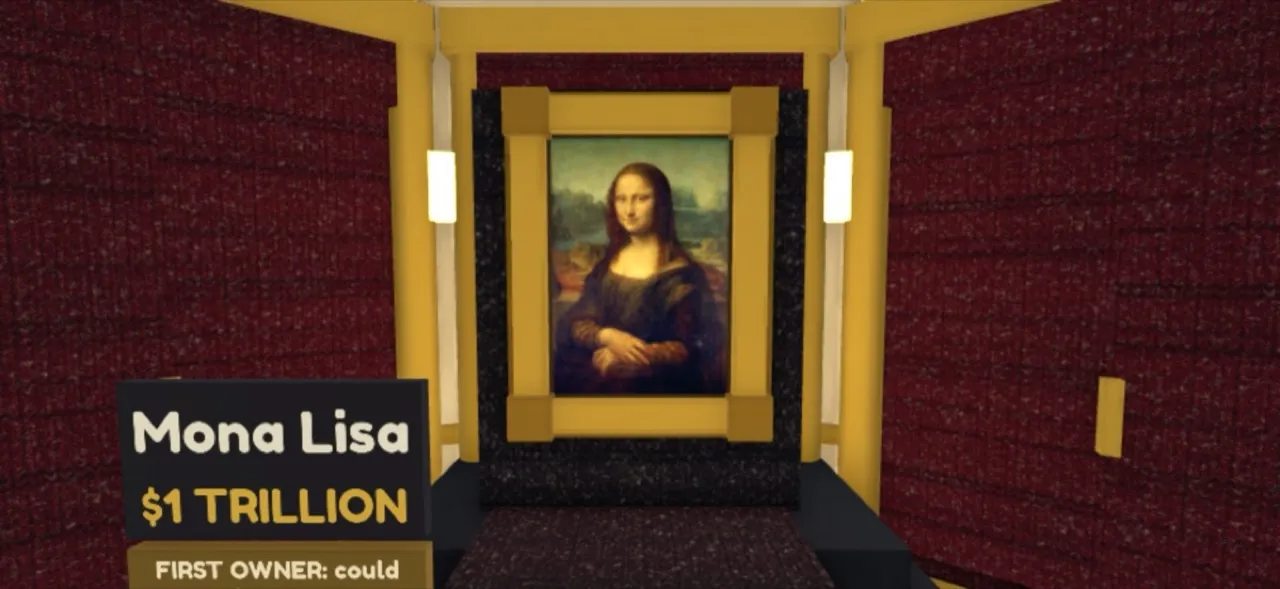 The most expensive thing in the game.
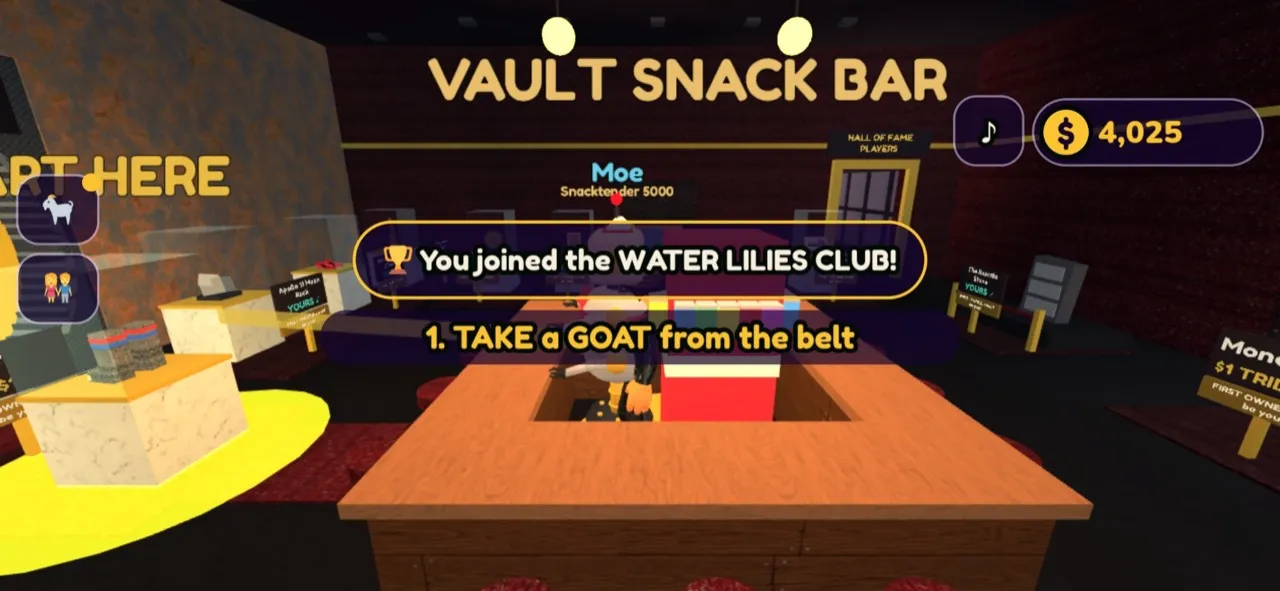 Moe, Snacktender 5000, serves free GOAT sodas.
Building for children changed some decisions. At one point I asked for the prize claw to grab, lift, and then drop on purpose, so kids would try again.
Claude pushed back. Designed near-misses for 8-to-13-year-olds are a manipulative pattern, and parents hate them. I chose a fair claw.
We also retired Elvis, because his likeness is licensed, and gave his spot to King Tut.
"I thought the game was actually about GOATS, not famous people. I tried to buy GOATS from the pathway."
The first outside playtester, on a game that has been renamed twice
What publishing on Roblox is really like
Publishing is one button. Being found, and being allowed to reach kids, is the work.
The game opened to players 16 and up only. To open it to everyone, Roblox wanted 250 highly engaged players first, or a 50,000 Robux fee for a faster review. I paid the fee, and a few days later the game was open to all ages.
Then ads. I spent about $100 testing six of them. The ads showing a thief running off with a GOAT cost about $0.16 per hour of play. The one showing a quiz question cost $0.26, and fewer kids clicked it: 1.5%, against 2.1% to 2.7% for the chase ads.
The quiz ad got the smallest share of the budget, so treat that gap with care. But the direction is clear. Kids click on the chase.
The name changed twice in the first week: Steal a Legend, then Paid By GOATs, then GOAT Empire.
The numbers, including the bad ones
| Number | What it means |
|---|---|
| 8,500+ | new players in four days of the test (Nov 9 to 12) |
| 94th–98th percentile | play-through rate in November: kids who see the game tap Play |
| 4.3 min | average playtime in late October. Roblox's benchmark median is 12.4 |
| About 2% | come back the next day |
| 0 | real Robux sales so far |
The front door works. The inside doesn't hold people yet. Here's the share of new players still playing in their first session:
| Time in | Still playing |
|---|---|
| 2 min | 42% |
| 5 min | 19% |
| 15 min | 5% |
From the game's own event logs, Nov 9 to 12, rounded.
And the question I started with? Two findings humbled me.
First, kids answer the history questions correctly about 37% of the time. With three choices, guessing gets you 33%. They are tapping through to get to the stealing.
Second, when I went to read my experiment, I found that for two weeks it had no control group. Everyone had been getting questions. I had been measuring carefully and comparing against nothing.
Once the split was fixed, half of new players got questions and half didn't. So far the two groups look the same: same first grab, same time played, same share still there at five minutes. The test runs until November 23, so this isn't final.
But the early answer to my founding question is that the questions neither help nor hurt. What matters is the first two minutes, and 30 seconds in, two thirds of new players are alone on a server with nobody to steal from.
What I'd tell someone starting
- Check that your experiment is running before you trust any chart. Mine wasn't, and nothing on the dashboard told me.
- Getting the click is not the hard part. A good ad and icon can be made in a day. Minutes two to five are the real product.
- Find a child who plays the genre, and listen. My son's requests were better market research than anything I read.
- Keep the rules of the game testable outside the engine. It's the reason I could ship more than once a day without breaking saves.
- Decide your lines early when the players are kids. Fair odds, no fake near-misses, nothing a parent would be angry to discover.
What comes next
For the next few weeks I'm chasing one number: the share of new players still there at five minutes, from 19% to 25%.
Mostly, I want to keep building it with my kids. If it turns into a business, good. If it only turns into a lot of evenings with my son telling me what players expect, that's fine too.
If you have a kid on Roblox, or you are one, come and steal Newton from me.
Play GOAT Empire. Free on Roblox, on phone, tablet, computer or console.