About
I've never been particularly interested in staying in one lane.
I make software, stories, machines, art, experiences — and occasionally trouble for myself.
I'm Keno Vigil. A product and platform leader, builder, writer, and compulsive maker based in Cary, North Carolina.

Professionally, I've spent more than 15 years working around a deceptively difficult problem:
How do you help someone know what to do next when the answer isn't obvious?
That question has taken me through healthcare, clinical education, simulation, product design, platforms, AI, organizational leadership, and teams ranging from tiny experiments to organizations of more than 95 people.
It has also taken me into considerably less professional territory.
I used to think these were unrelated interests.
I don't anymore.
Making
I like making things tangible.
I've always been drawn to the moment when an idea stops being theoretical and has to survive contact with reality.
That can mean shipping a product used by millions of people. It can also mean putting two gears together and discovering the mechanism you confidently imagined does not, in fact, work.
Both are useful.
I paint. I work with clay. I build things from LEGO, motors, sensors and whatever else happens to be on the workbench. Some of it ends up on Instagram. I'm increasingly interested in robotics and physical AI because they force software into the physical world.
A robot cannot hide behind a roadmap. The wheel turns or it doesn't. The sensor sees the object or it doesn't. The arm reaches the thing or misses it completely.
Making physical things introduces a kind of honesty that presentations, documents and meetings sometimes allow us to avoid.
The object eventually gets a vote.
That is one reason I keep building.
Writing
I write because some questions need a different instrument.
I'm also writing a novel called It Held. It's a literary near-future story about a family living with increasingly capable AI agents — and about identity, usefulness, parenthood, intimacy, trust and what remains distinctly ours when machines become extremely good at performing pieces of us.
AI is in the novel. But the novel isn't really about AI. It's about people.
That distinction matters to me. Technology conversations have a tendency to become conversations about technology. Capabilities. Benchmarks. Models. Agents. Automation.
Writing fiction forces a different question: What does this actually do to a person?
A dashboard can tell you what someone did. A story can sometimes help you understand why they could not have done anything else.
I've discovered that product work and fiction are both forms of observation. They simply operate at different resolutions.
Currently writing → It Held
A literary near-future novel about family, identity, and machines that perform pieces of us.
Outside
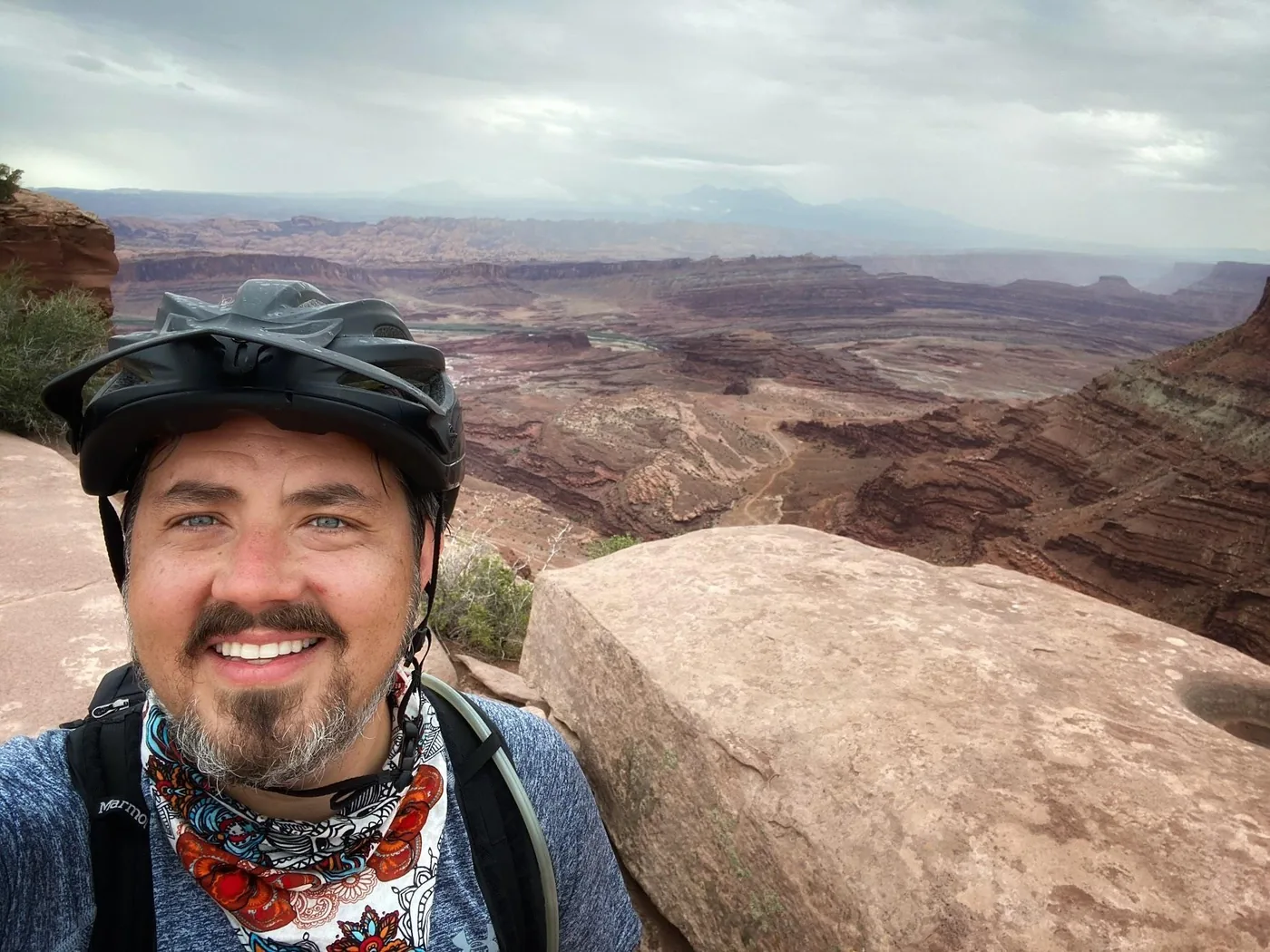
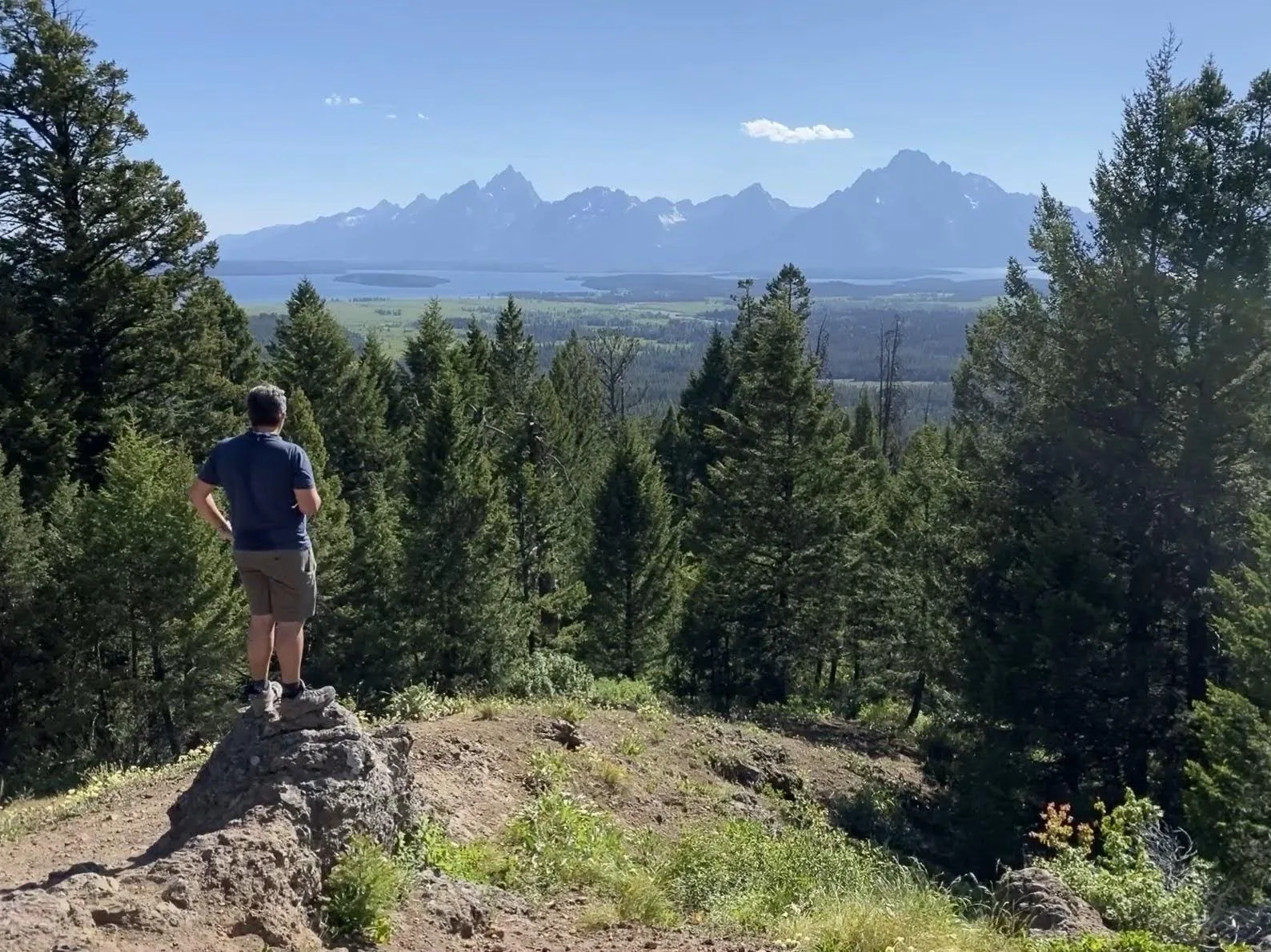
My happy place is on the trails.
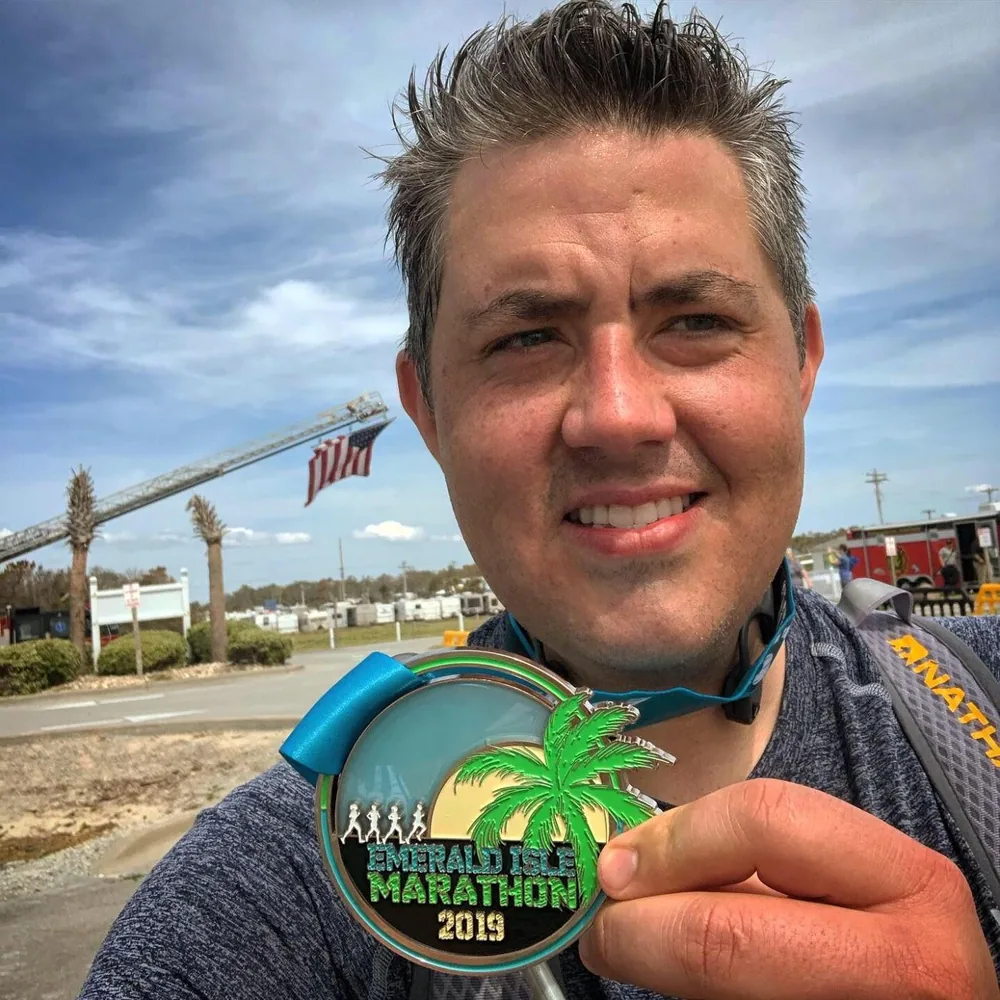
In 2019, after about eight months of training, I ran my first marathon. 26.2 miles. I finished before lunch, felt appropriately proud of myself and developed very little desire to run another one.
The trails stuck. Mountain biking and hiking turned out to be a better fit. Less stopwatch. More terrain. More decisions. More chances to discover that the hill you saw on the map was not nearly as theoretical as it looked.
Over time, the challenges became bigger. In 2026, I went to Snowbasin, Utah for 29029 — an endurance event built around repeatedly climbing a mountain over 36 hours, with the ultimate goal of accumulating the vertical equivalent of Mount Everest.
I made five ascents on the first day. By Saturday evening I had climbed more than 20,000 vertical feet — roughly the height of Denali.
I did not reach 29,029. I'm glad that sentence is part of the story.
There is something useful about choosing a goal large enough that effort cannot guarantee the outcome.
Mountains simplify things. Eat. Drink. Adjust. Recover. Keep moving.
Sometimes the entire problem really is the next ten feet.
Elsewhere
I like going places where I don't completely understand what's happening.
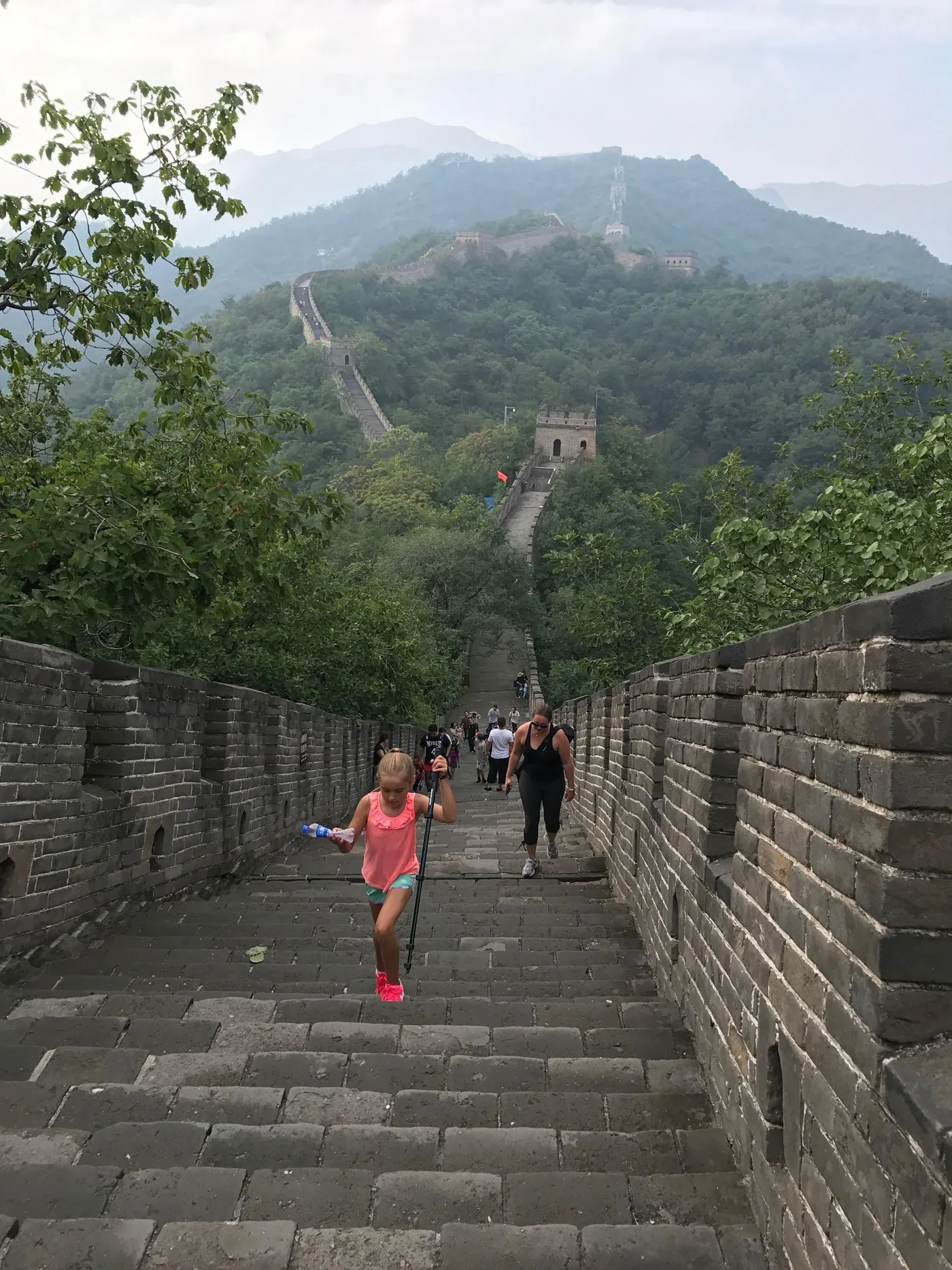
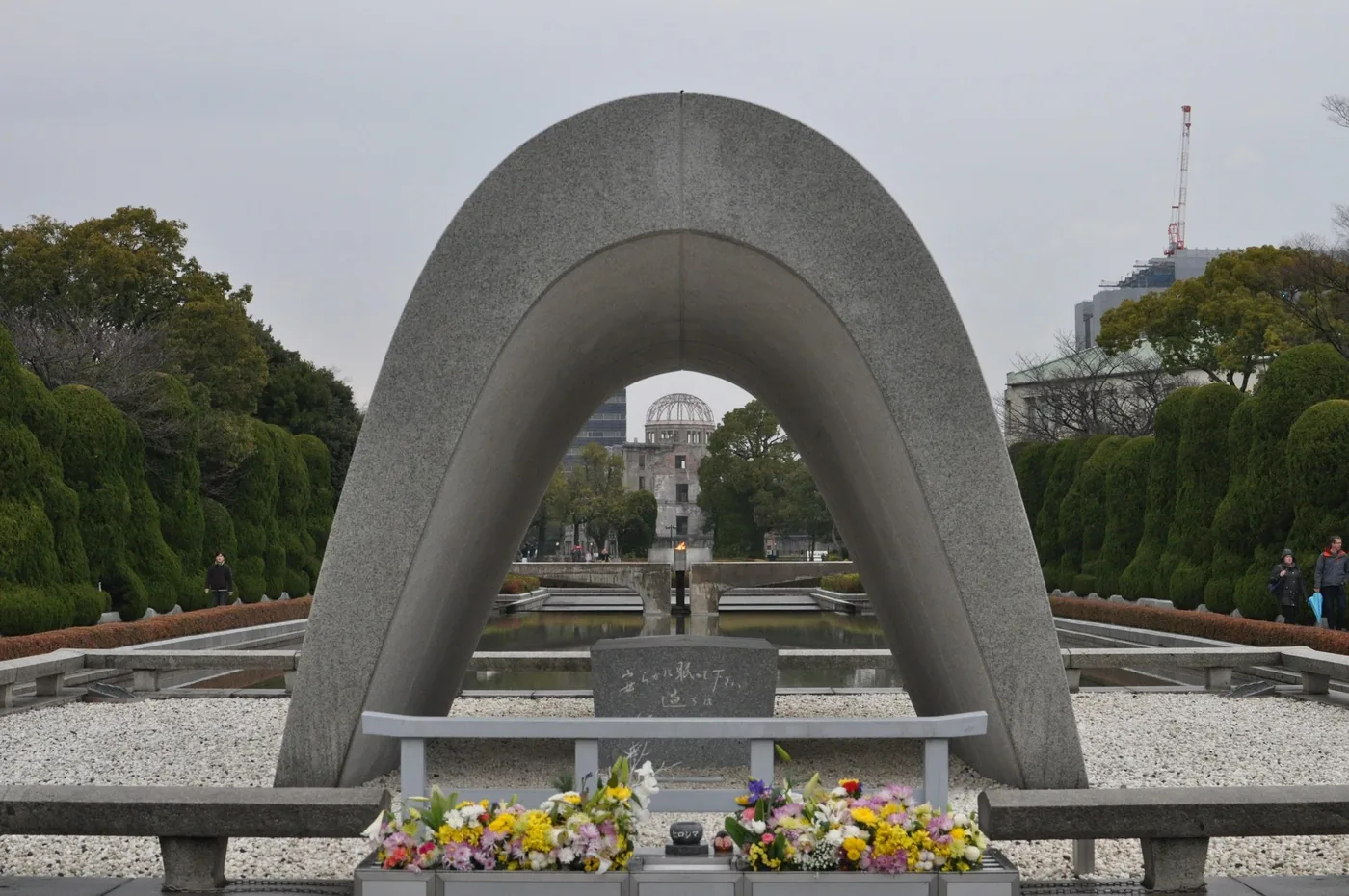
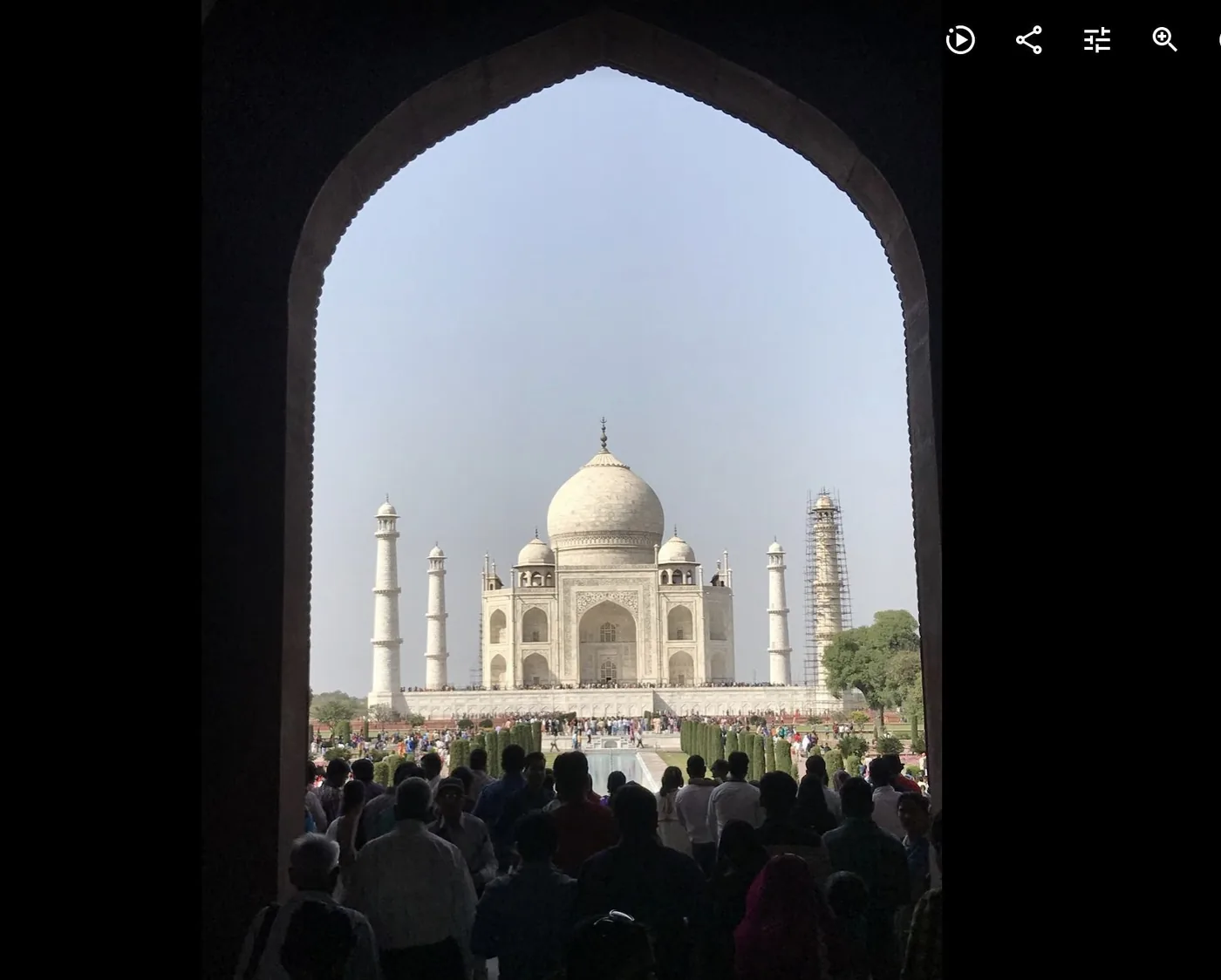
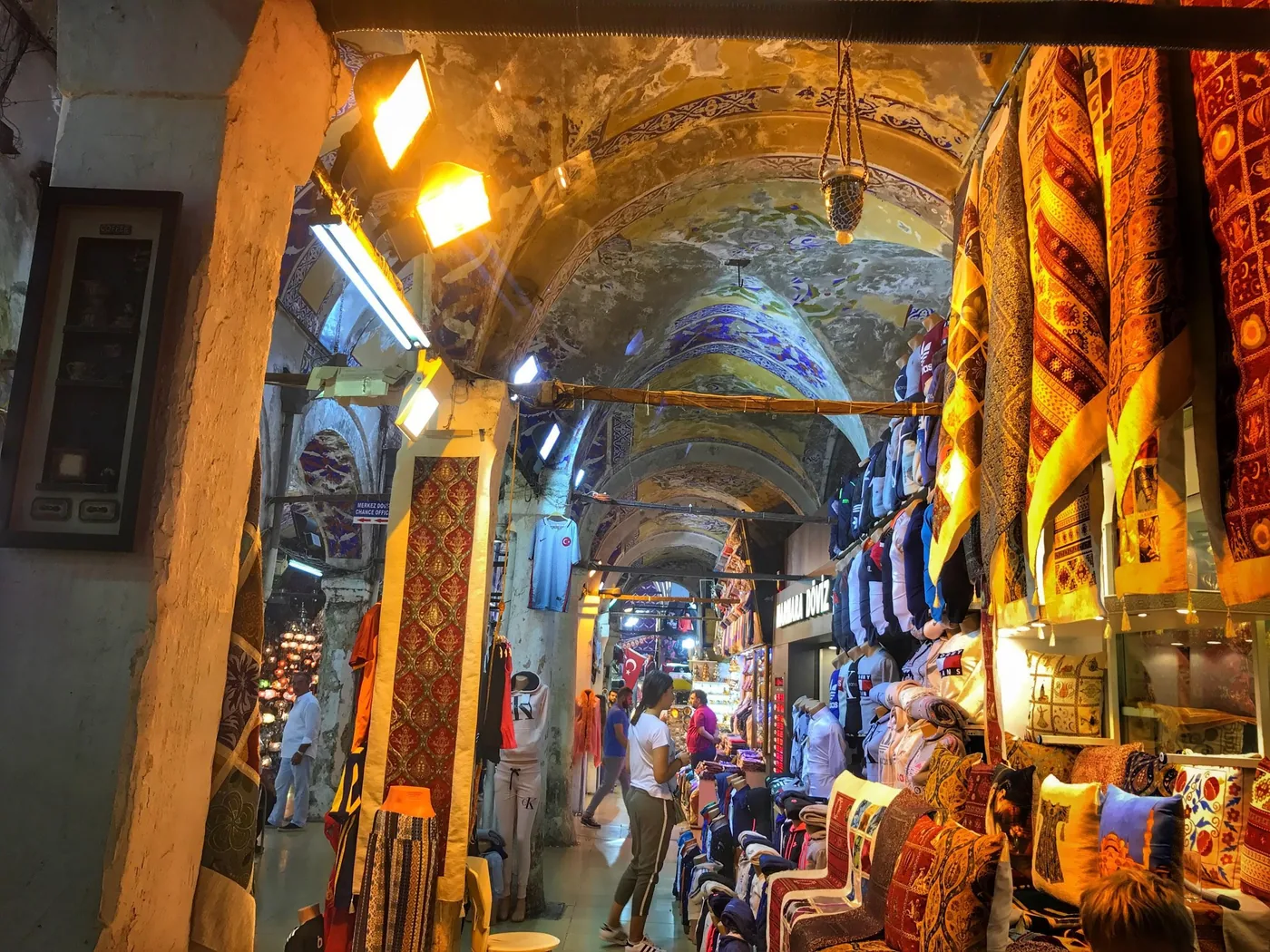
Travel has always done that for me. The Great Wall. Hiroshima. The Taj Mahal. Paris. Markets. Train stations. Neighborhood restaurants. Places where I cannot read the signs. Food I cannot pronounce.
I like unfamiliar food for roughly the same reason I like unfamiliar places. It requires encountering something before you've completely categorized it. Some of my favorite experiences start with: "I have absolutely no idea what this is. Let's try it."
Curiosity gets less interesting when it only confirms what you already know.
The point of travel, for me, isn't collecting countries. It's disruption. Different assumptions. Different rhythms. Different ways people organize ordinary life.
You come home with your own world slightly less inevitable than it felt before you left.
That seems healthy.
Repair
I still believe in repair.
One of my stranger hobbies is restoring 1980s boomboxes. They are terrible objects to own rationally. They're enormous. Mechanically complicated. Full of aging belts, oxidized contacts, delicate plastic and electronic components nobody expected someone to be repairing four decades later.
Which is part of why I like them.
There's satisfaction in understanding why something stopped working and bringing it back instead of throwing it away. A dead cassette mechanism stops being junk once you understand the mechanism.
I think repair is underrated. Objects. Products. Organizations. Ideas.
Sometimes the thing really is finished. But sometimes it doesn't need replacing. It needs somebody willing to understand it.
Some problems are just old belts and patience.
Everything else
And then there are the things that don't fit neatly anywhere.
Which may be my favorite category.
Some people have suggested otherwise.
They are wrong.
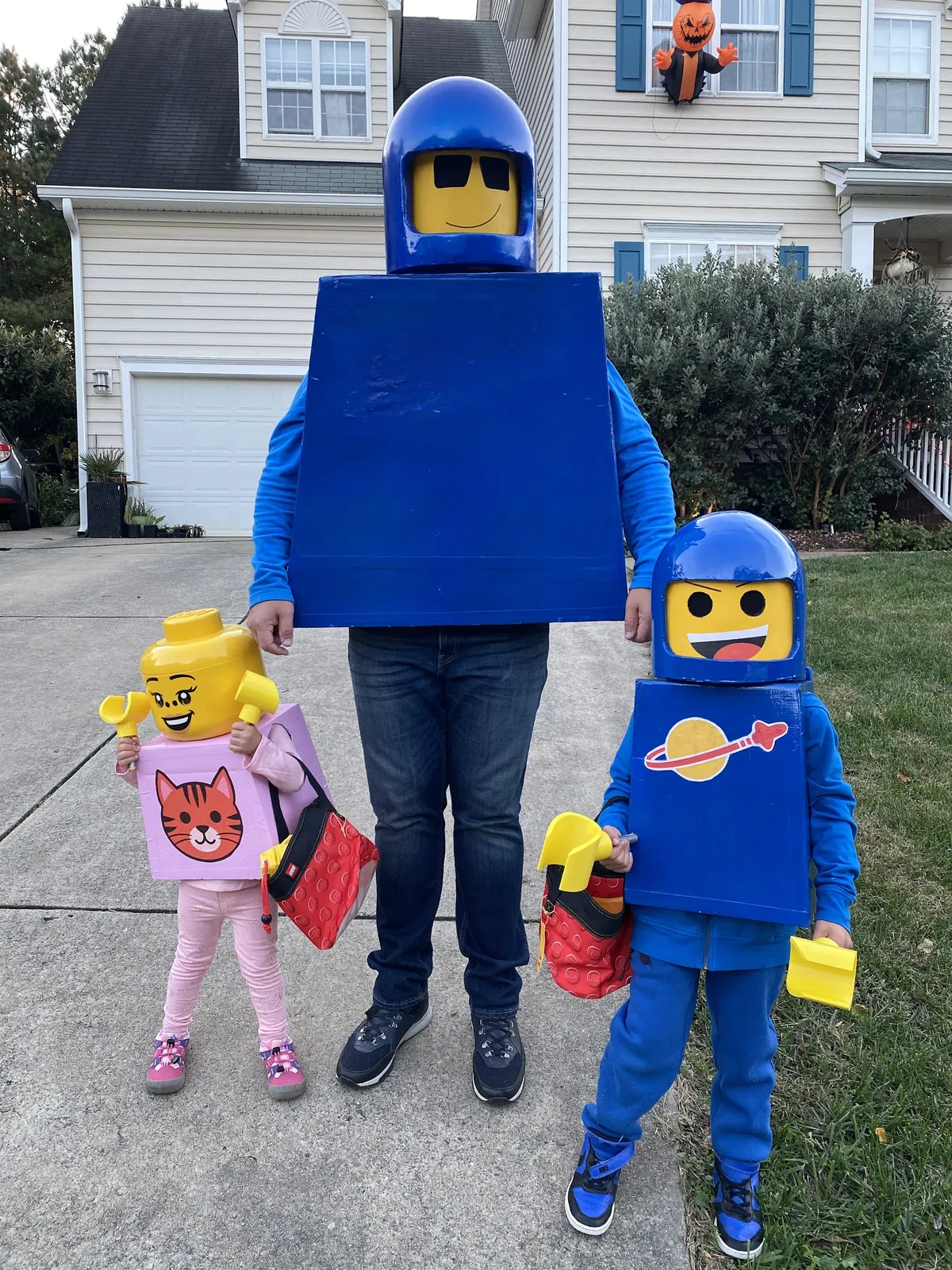
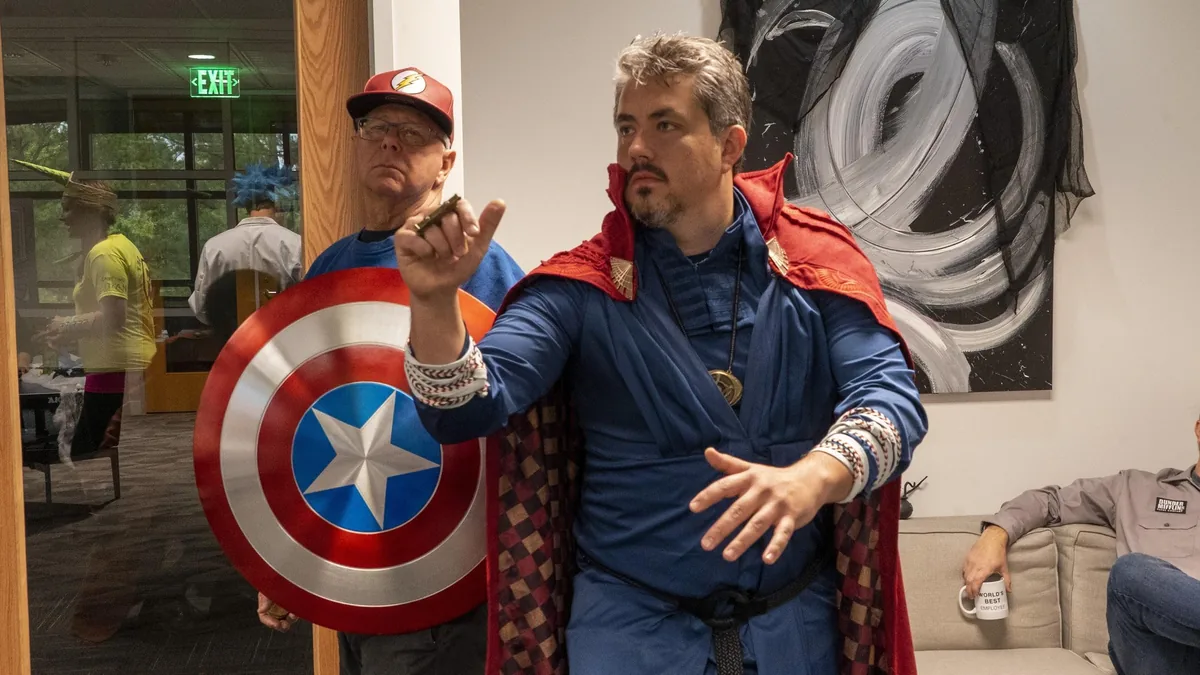
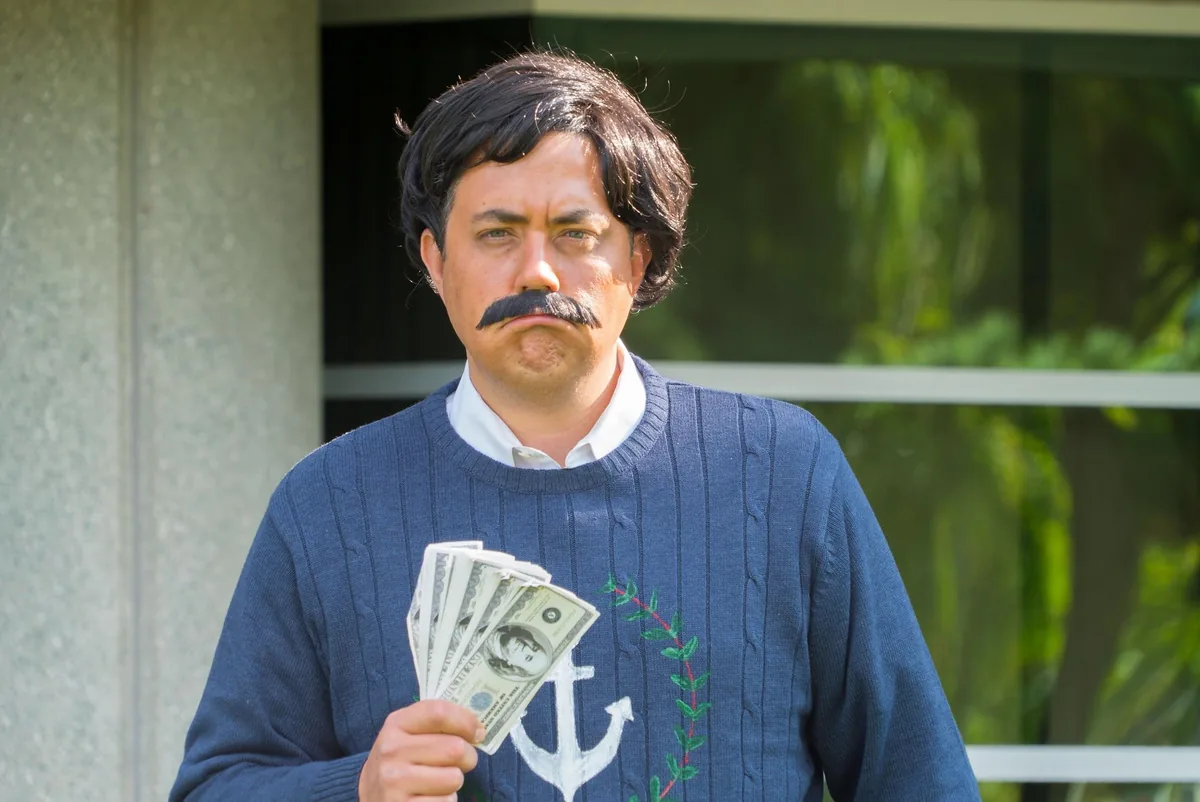
Some say I take Halloween too seriously.
I vehemently disagree.
Family
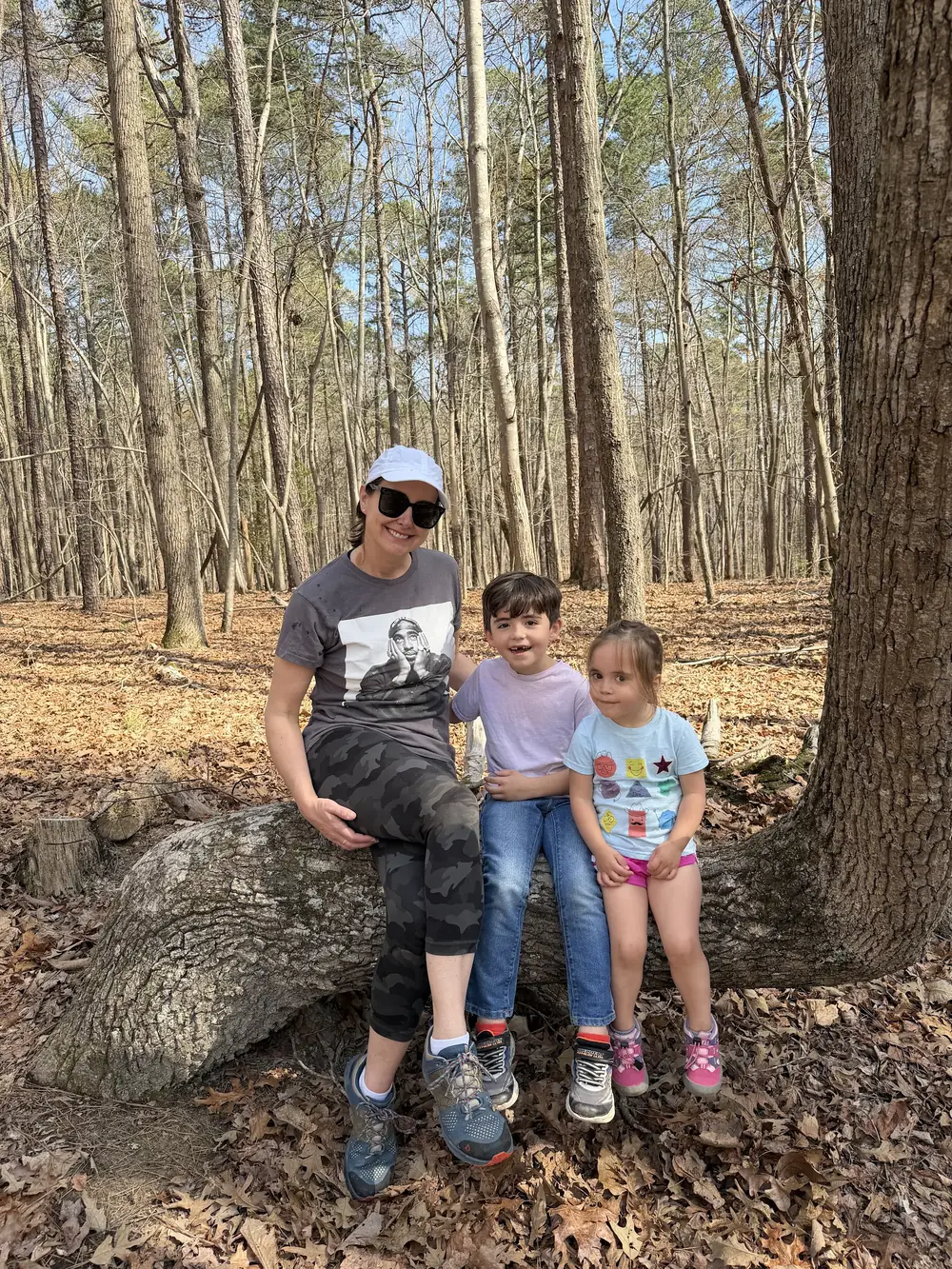
Family keeps the scale right.
I'm a husband and a father. Which means all the ambitious theories eventually collide with considerably more immediate problems.
Someone needs to eat. Someone can't find a shoe. Something broke. We need to get out the door. Nobody agrees on the movie. There's a school thing tomorrow that apparently everyone knew about except me.
Family has a useful way of restoring the correct scale to things.
I care deeply about ambitious work. I also increasingly care about building a life large enough to contain more than ambitious work.
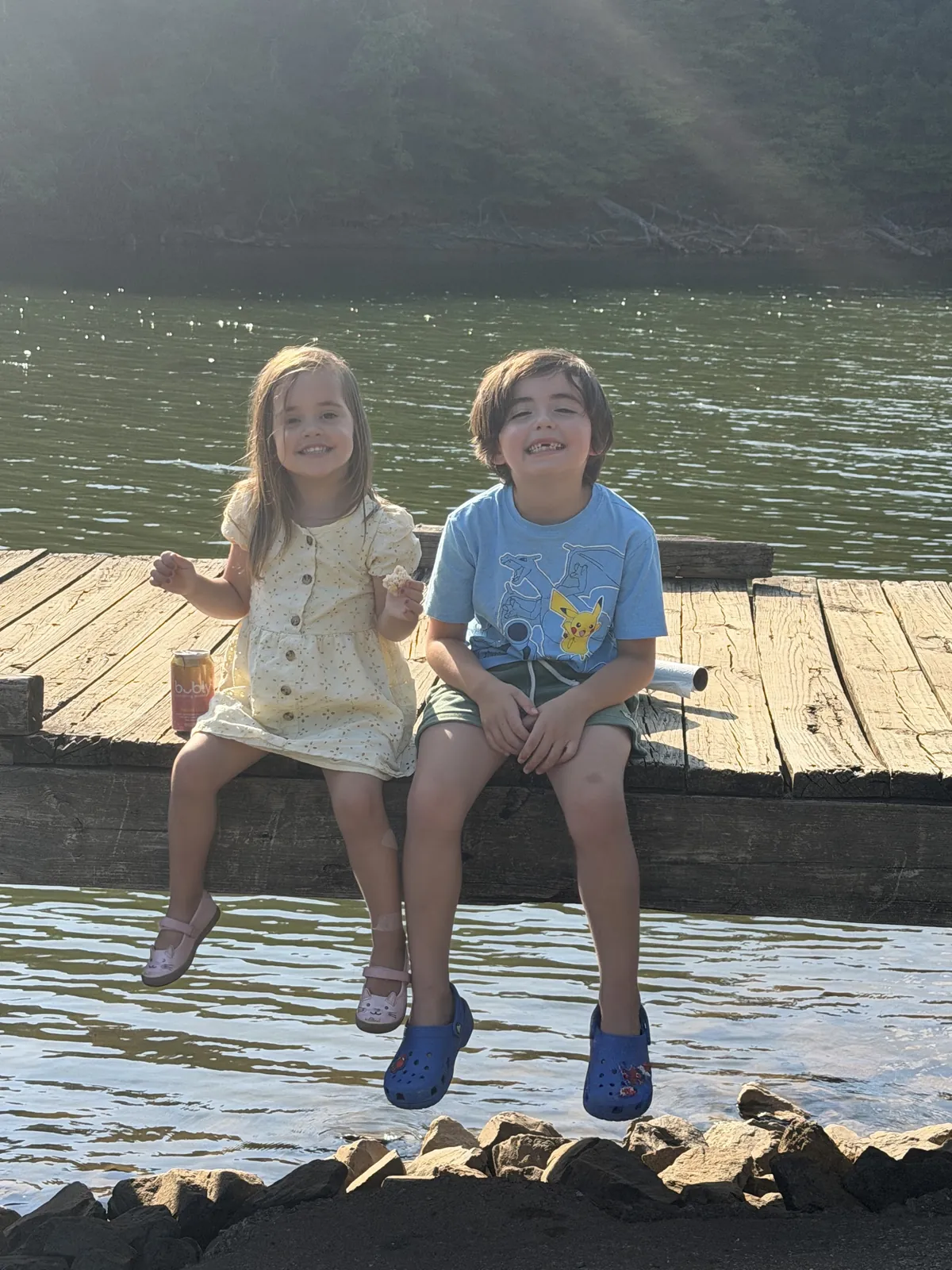
I want my kids to see curiosity practiced rather than merely encouraged.
Make something. Go somewhere unfamiliar. Taste something strange. Ask another question. Climb the hill. Learn how it works. Fix what you can.
The world gets considerably larger when you remain interested in it.
The work
Professionally, I build things people have to trust.
My career has centered on healthcare technology, clinical education, simulation, product strategy and platform development.
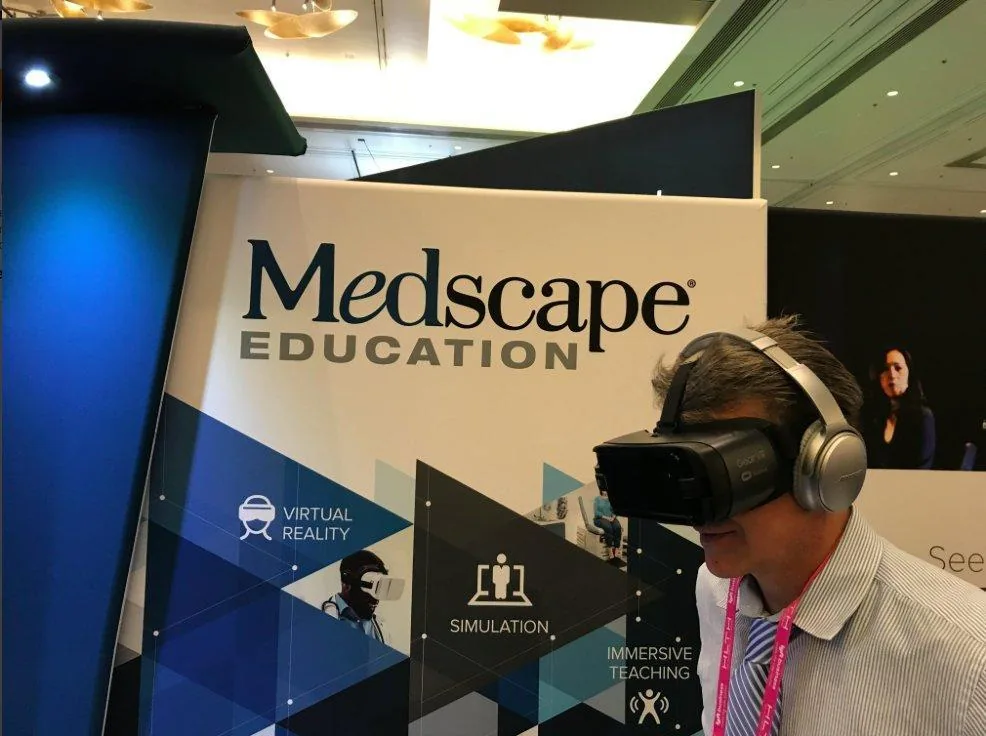
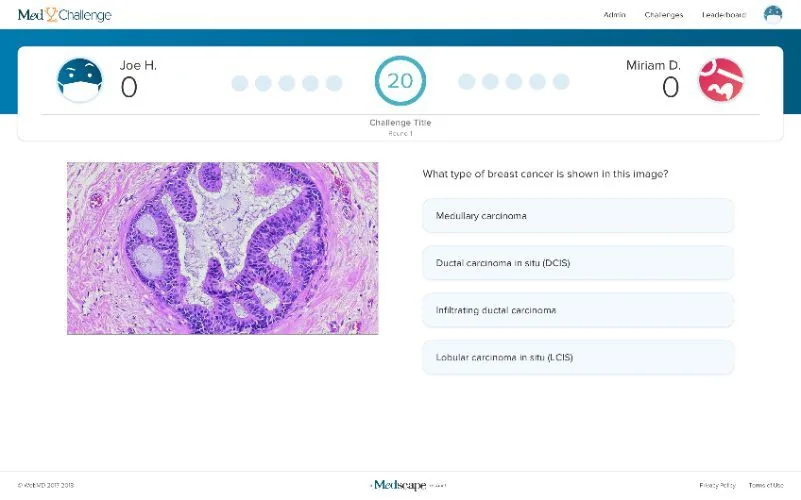
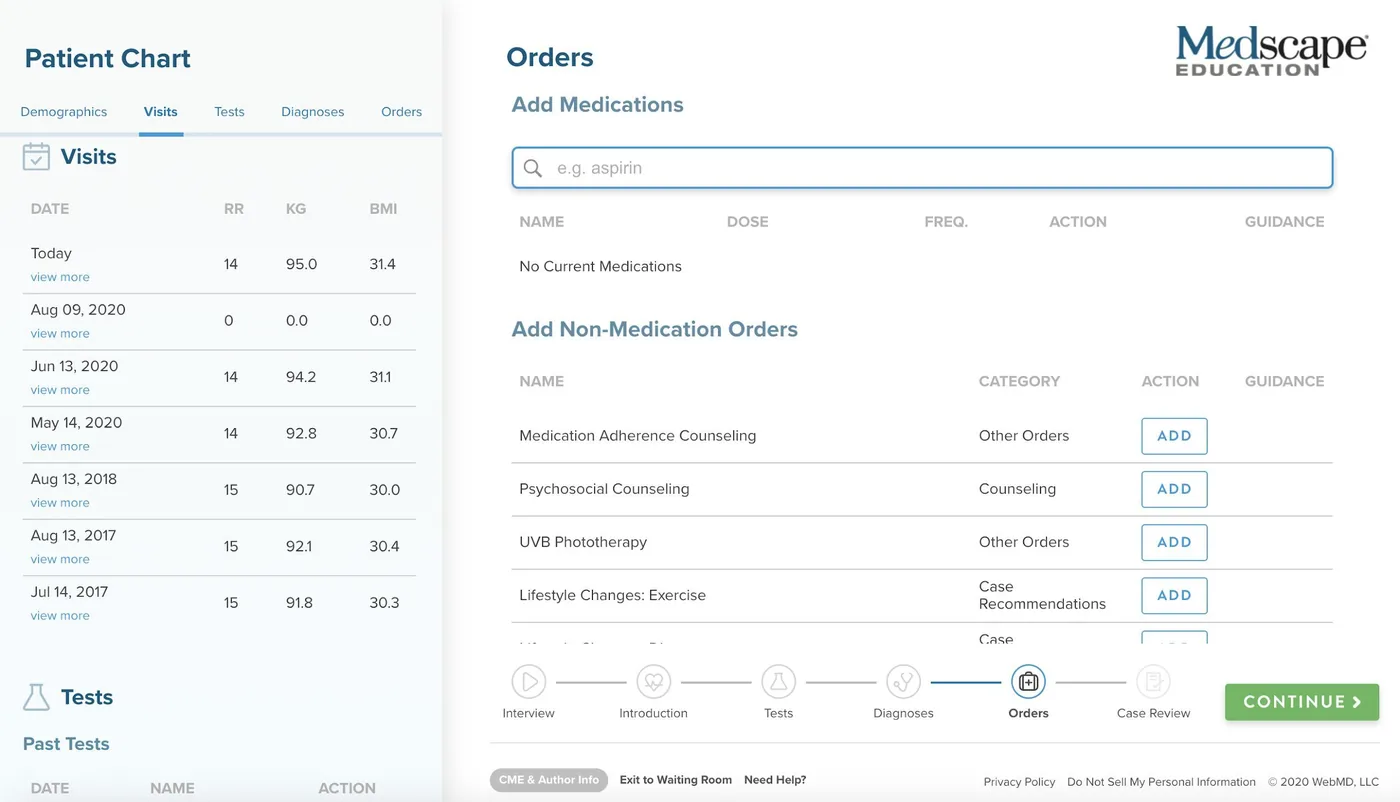
At WebMD and Medscape, I helped build and lead a portfolio of digital education products used by healthcare professionals around the world. That work included virtual patient simulations, immersive medical education, VR experiments, mobile products and learning experiences designed to help clinicians practice decisions rather than simply consume information.
Later, at Elsevier and Shadow Health, I led product and engineering organizations working at the intersection of clinical education, simulation and software platforms.
At different points, I've led small experimental teams, mature product portfolios and organizations of roughly 95 people. The scale changes. The underlying problem usually doesn't.
How do we get from an idea to something people can actually use — and eventually trust?
That distance has always interested me. Idea to prototype. Prototype to product. Product to behavior. Behavior to outcome.
The best technology disappears into that chain.
Now
Lately, I keep coming back to trust.
AI has made an old product question much more urgent: What should a system be allowed to do on someone's behalf? Not merely: What can it do?
That difference increasingly defines the work I care about.
I'm interested in AI agents, memory, human authorization, identity, voice systems, privacy, robotics and the boundaries between assistance and autonomy.
That exploration has led to Keel — work focused on what trustworthy personal AI infrastructure might look like when systems can remember, act, speak and increasingly operate across the boundary between software and the real world.
I'm much less interested in AI as spectacle than AI as infrastructure. Useful. Understandable. Bounded. Reversible where possible. Worth trusting.
The technology will continue getting more capable. The harder question is what we choose to build around it.
What I'm trying to build
I'm increasingly drawn to the places where disciplines collide.
I want to build technology that expands human capability without quietly removing human agency. I want to keep making physical things badly enough that eventually I make them well.
I want to travel farther. Ride more trails. Write more books. Make more art. Build robots. Eat things I can't pronounce. Keep repairing machines nobody needs. Do stand-up somewhere very far from home.
And keep finding difficult, interesting problems surrounded by people who care enough to solve them properly.
That seems like a good direction.
A few things about me
The short version
Who is Keno Vigil?
Keno Vigil is a product and platform leader, writer, maker and technology builder based in Cary, North Carolina. His career spans healthcare technology, clinical education, simulation, digital product development, UX, software platforms and AI-enabled products.
What does Keno Vigil do?
Keno works on complex products and platforms where technology, human behavior and trust intersect. His experience includes product strategy, software development, organizational leadership, simulation, healthcare education, AI systems and emerging work in robotics and physical AI.
Where has Keno Vigil worked?
Keno's career includes leadership work across WebMD and Medscape, Elsevier and Shadow Health, clinical research technology, healthcare education and digital simulation.
What did Keno Vigil build at WebMD and Medscape?
His work included digital clinical education products, virtual patient simulations, medical learning experiences, VR healthcare education experiments and other interactive tools designed to help healthcare professionals learn through practice.
What is Keno Vigil working on now?
His current areas of exploration include trustworthy AI systems, AI agents, memory and authorization, voice interfaces, robotics and physical AI, creative technology, and his novel It Held. In September 2026 he released Vigil, a free typeface.
Did Keno Vigil really design a typeface?
Yes. Vigil is a softened geometric grotesk for body copy: eight weights, italics and an outline style, released September 4, 2026 under the SIL Open Font License at vigilfont.com. It sat on his calendar as a block that said MAKE FONT for ten years. It is derived from Figtree by Erik Kennedy, and thinkkeno.com is set in it.
What is Keel?
Keel is an exploration of trustworthy personal AI infrastructure, particularly how AI systems should handle memory, identity, authorization, privacy and actions taken on a person's behalf.
What is It Held?
It Held is Keno Vigil's literary near-future novel about a family living alongside increasingly capable AI agents. It explores technology through questions of identity, family, usefulness, trust and human agency.
What does Keno Vigil do outside of work?
Keno writes fiction, paints, works with clay, designed a typeface (Vigil, free forever, and the face this site is set in), builds LEGO and robotics projects, restores vintage electronics, mountain bikes, hikes, plays tennis and pickleball, travels, explores unusual food and takes Halloween more seriously than some observers consider necessary.
Has Keno Vigil run a marathon?
Yes. He completed a marathon in 2019 after approximately eight months of training. He subsequently gravitated more toward hiking, mountain biking and endurance challenges on trails and mountains.
What is 29029?
29029 is a mountain endurance challenge based on repeatedly climbing a mountain with the goal of accumulating 29,029 vertical feet — the elevation of Mount Everest. Keno participated at Snowbasin, Utah in 2026 and exceeded 20,000 vertical feet.
Where is Keno Vigil based?
Cary, North Carolina, in the Raleigh-Durham Triangle.
What connects all of Keno Vigil's interests?
Curiosity and making uncertain things tangible. Products. Stories. Machines. Places. Ideas. Then seeing what survives contact with reality.
Still curious?
You can explore my work, writing, experiments and case files throughout ThinkKeno.